
Dawu Clay Sculpture
Artforms > Dawu Clay Sculpture

One of the ‘Three Chinese Clay Sculpture Towns’, Dawu Village was one of the leading areas for clay sculptors. Traced back to the first year of Jiaxi (1237) of the Southern Song Dynasty, Dawu clay sculpting is one of the oldest crafts within the Chaozhou region. Clay sculpting is a time-consuming process that involves dredging the material, refining the mud, kneading, drying and firing the clay, carving and then finally colouring the sculpture. The images frequently used for the objects reference Chao folklore and opera, Zhanghui novels, martial-arts-inspired Yingee performances, familial relations, and gods or Buddhas.
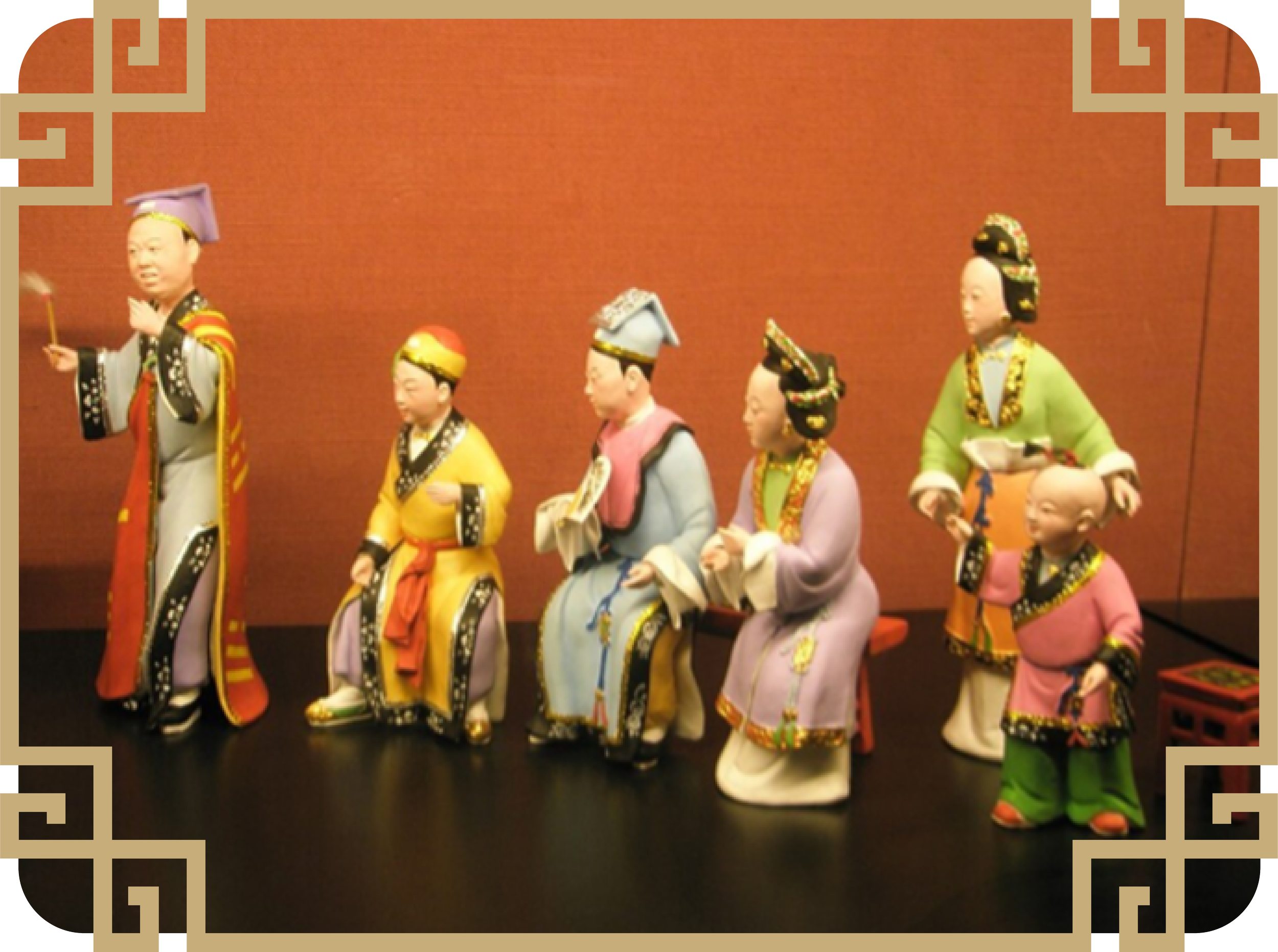
Dawu Clay Sculptures at the Guangdong Museum

Despite holding a prominent position as one of the most notable clay sculptural styles in China, this art form has not been effectively preserved. Practitioners such as Wei Wei Qing are among the few remaining sculptors maintaining the legacy of this centuries-old folk art, and much work is needed to ensure that its style remains.